

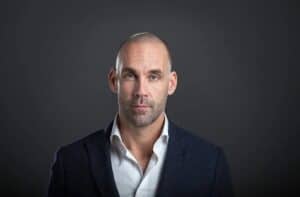
A good guest speaker gives your audience a fresh perspective, sparks discussion and makes your event easier to remember. Choosing one starts with your goal: who is in the room, what they should take away, which language and format fit, what budget you have, and what recent clients say about the speaker’s talks.
→ Keynotes on AI and the future by Richard van Hooijdonk
A guest speaker offers multiple benefits, including increasing engagement, providing valuable insights into different topics, and inspiring in general. Many people believe that guest speakers can bridge the gap between theory and practice by offering real-world perspectives and elaborating on a subject, making it easier for many people to understand. In this blog post, we will discuss how guest speakers enhance the value of an event, how to build thought leadership, generate media coverage and thus achieve business objectives.
Richard van Hooijdonk, a renowned futurist and trendwatcher, is frequently invited to speak at international conferences where he translates complex future trends into accessible and inspiring content. His ability to combine theory with practice makes his sessions highly valuable for diverse audiences.
→ AI keynote speaker for events in Europe
Enhancing event value and engagement
In order for a guest speaker to enhance event value and engagement, the guest speaker, or you in this case, needs to focus on interactive elements. Providing the audience with valuable insights, in addition to the information, will make a significant contribution and foster a sense of community. Futurist Richard van Hooijdonk is known for integrating live polling apps and interactive Q&A tools during his talks on topics like artificial intelligence, cybersecurity, and the future of work. His use of immersive storytelling and tech-based interaction tools has helped audiences remain engaged and inspired across the globe. Organisers see the same demand. In American Express Global Business Travel’s 2026 Global Meetings & Events Forecast, based on a YouGov survey of 601 meeting professionals in eight countries, 42% said attendees now want more interactive sessions, such as workshops, than five years ago. 40% said attendees want more social activities and networking opportunities. Here are some tips to enhance and elevate your guest speaker event:
To make the event more interactive
- Polls & Quizzes: Using new event technology to gather real-time feedback and keeping the attendees of the event actively involved during the presentation will make it more interactive. Richard van Hooijdonk often incorporates live sentiment meters and AI-based audience feedback tools to create a dynamic exchange.
- Q&A session: At the end of your presentation, allocate some time for a question-and-answer session. This helps foster a sense of engagement and personalises the learning experience for the audience.
- Interactive workshops: Incorporating hands-on activities in your guest speaking event, like breakout sessions of game challenges, will encourage your audience to share and apply knowledge.
Provide value
- Exclusive content: to offer exclusive content or resources that attendees cannot find anywhere else makes the event worth their while and a good investment.
- Network opportunities: Networking is very important, but not everyone is as good at it. Facilitating information interactions and networking zones or meet and greet sessions to connect attendees with the guest speaker and each other will contribute to adding value to the event. Plan for it: according to the same Amex GBT forecast, sessions are getting shorter, allowing for longer networking breaks.
- Expert insights: Highlight the speaker’s knowledge. Richard’s background - having advised global corporations and governments - adds substantial credibility and draws media interest.
Overall enhancement
- Social media engagement: Create a special hashtag or live story campaign. Richard van Hooijdonk’s keynotes are often trending under event-specific hashtags due to his engaging stage presence and visually powerful slide decks.
- Post-event follow-up: at the end of your guest lecture, share valuable takeaways from the event, and give your speaker information to keep the engagement going after the event.
- Create a lasting impression: by using visual aids and compelling storytelling with the help of a dynamic presentation to keep the audience captivated and engaged.
Building thought leadership
Building thought leadership involves consistently sharing valuable insights and taking a unique stand on industry topics to establish credibility and influence your target audience. This part is about educating, informing, and elevating others. Moreover, fostering trust and collaboration during your time on stage. Building thought leadership is done by defining your niche and your message. This is done by identifying a specific area of expertise you want to focus on, which must align with your company’s values. Develop a clear message that will strengthen your values and distinguish your perspective.
Take Richard van Hooijdonk as an example: his niche lies in future trends and disruptive innovation. He has built thought leadership by consistently publishing whitepapers, maintaining a future-focused blog, and producing a weekly newsletter with more than 60,000 readers. His consistent, visionary content reinforces his status as a trusted voice on the future of society and business.
Moreover, creating high-quality content is also a must. This is done by sharing valuable, original and informative content. This can be a hard part, but us also essential for breaking through. Think about blog posts, infographics, eBooks, podcasts, videos and all other effective formats. Furthermore, going beyond the SEO keywords and writing content from an expert point of view. And maybe the most important one of all, stay consistent and regularly share content to keep your audience engaged.
Generating media coverage
To generate media coverage for a guest speaker at an event, you´ll need to identify the most relevant media outlets, create a compelling press release, and proactively engage with reporters. Start by compiling a list of media contacts and pitching them your story angle. The story needs to connect with the guest speaker´s expertise and current news events. To be well-prepared, ensure you have a media kit with high-quality images and speaker bios, as these will be needed for interviews or other media content.
Example from van Hooijdonk’s events: His research team prepares a detailed media kit that includes high-resolution photos, a speaker bio, key themes of the talk, and talking points that relate to current trends such as AI ethics or smart cities.
To create a compelling press release, use a catchy headline that grabs attention and accurately presents the relevant information. Include the speaker’s bio, expertise and event detail, plus relevant statistics or quotes, these are key information.
Achieving business objectives
To effectively use a guest speaker to achieve business objectives, define your goals and align them with the speaker’s strengths. Richard van Hooijdonk often tailors his talks to meet business goals such as sparking digital transformation, improving innovation culture, or motivating teams to embrace future trends. His presentations are known for encouraging mindset shifts and sparking strategic discussions at the board level.
Steps:
- Define the objective: Is your goal to inspire innovation, support change management, or inform about market trends?
- Tailor the presentation: Ensure the speaker aligns with company culture and the intended outcomes.
- Track ROI: After the event, measure outcomes through feedback surveys, internal KPIs, or employee engagement levels. The Amex GBT forecast also suggests looking at ‘return on experience’: did attendees walk away feeling engaged and inspired, and did they learn something new?
How to choose a keynote speaker: a short checklist
No speaker is the right choice for every event. Compare two or three candidates on the same points:
- Audience: who will be in the room (board, employees, customers, students), how many people, and what do they already know about the topic?
- Topic and goal: write down in one sentence what the audience should think or do differently afterwards, and ask each speaker how they would tailor their talk to that goal.
- Language: can the speaker present fluently in the language of your audience, and handle questions in it?
- Length and format: a keynote only, a keynote with Q&A, or a keynote followed by a workshop? On stage, online or hybrid?
- Budget: ask for a written quote and check what it includes, such as preparation, tailoring, travel and the right to record or share the talk.
- References: watch a recent full-length talk rather than only a showreel, ask for contacts at comparable events, and check whether the claims in the speaker’s bio can be verified.
For a more detailed walk-through, see how to choose the right guest speakers for your event and our guide to finding the right speaker.
→ Read more: How to choose an AI keynote speaker: 8 questions to ask first

Richard van Hooijdonk is a trend watcher, futurist and international keynote speaker. Many trend watchers and futurists look at the future from a distance. Richard van Hooijdonk lives in it. His team consists of people and AI agents, and he has several chips implanted in his body. He has given more than 3,000 keynotes in more than 30 countries. View his keynotes →